Building the Soul of Modern Architecture
The Timeless Language of Form
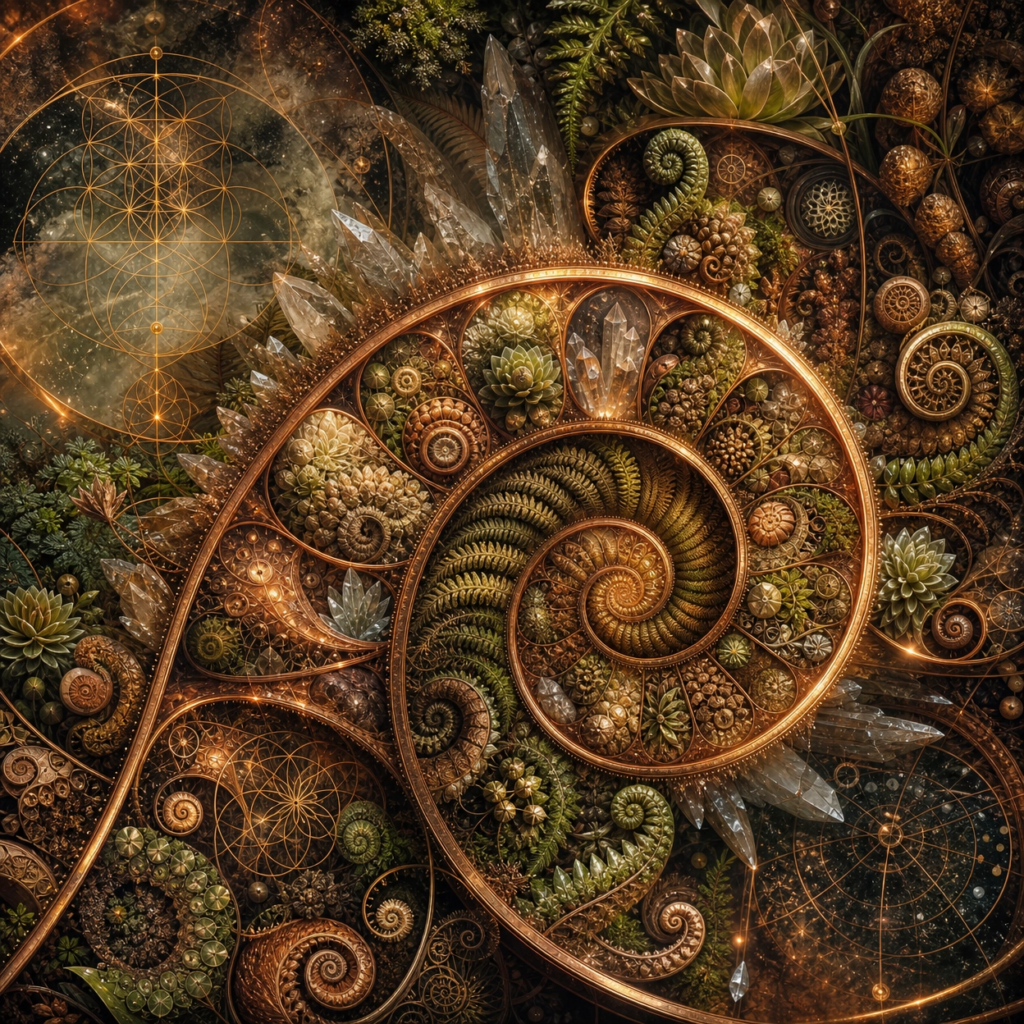
From the spiraling elegance of a seashell to the intricate branching of a tree, nature speaks a language of perfect proportion and harmonious design. This language is Sacred Geometry, the ancient study of the mathematical principles that underpin the universe. In 2026, as our cities expand and our architectural ambitions grow, there’s a profound resurgence in applying these timeless principles to modern construction. This isn’t merely about aesthetics; it’s about building structures that resonate with our deepest sense of well-being, creating spaces that don’t just house us, but truly nurture our souls.
The Ancient Blueprint: Why Geometry is Still Sacred Today
Sacred geometry is more than just a collection of pretty patterns; it’s a profound philosophical system that explores the connections between shape, proportion, and number, revealing the fundamental order of existence . Ancient civilizations, from the Egyptians to the Greeks, understood this, embedding these principles in their most revered temples and monuments. Today, we are rediscovering that these mathematical harmonies have a tangible impact on our psychological and physiological states.
In modern architecture, this translates to moving beyond rigid, box-like structures. Architects are increasingly designing organic, layered spaces that feel adaptive, connected to their surroundings, and imbued with a sense of purpose. The goal is to create buildings that inspire awe and respect, echoing the sentiment that beauty and the sacred can be powerful forces for unity and inspiration .
Biomimicry and Fractals: Nature’s Architecture in Our Cities
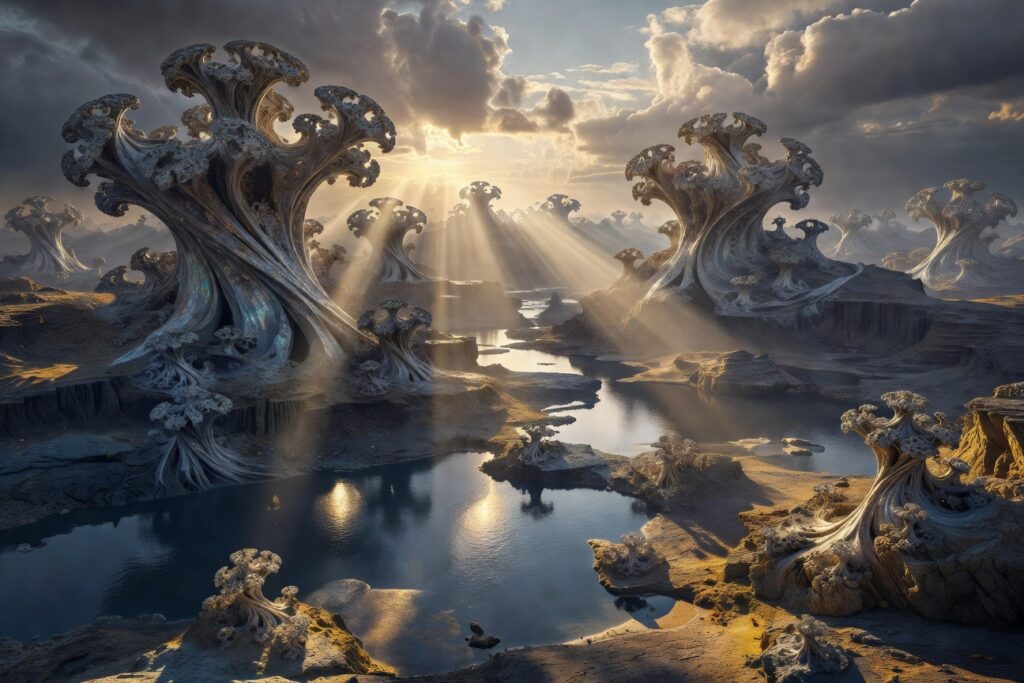
One of the most exciting trends in 2026 is the fusion of sacred geometry with biomimicry—the practice of emulating nature’s designs and processes to solve human problems. This approach is particularly evident in fractal geometry in architecture and urban design. Fractals, those infinitely repeating patterns found in coastlines, clouds, and trees, are being used to create more efficient, resilient, and harmonious urban layouts.
How Biomimicry and Fractals are Reshaping Our Built Environment:
•Efficient Urban Planning: Fractal parameters are being applied to urban design processes, leading to city layouts that mimic natural systems, optimizing flow, resource distribution, and connectivity.
•Enhanced Well-being: Research consistently shows that fractal and nature-like architecture demonstrably promotes physical and mental well-being, reducing stress and improving cognitive function for occupants .
•Innovative Applications: Beyond aesthetics, we’re seeing the integration of functional elements that mimic natural patterns, such as fractal solar panels designed for optimal energy capture, or building facades that self-regulate temperature like a plant.
This shift represents a move from simply building boxes to crafting ecosystems—structures that breathe, adapt, and thrive in harmony with their environment.
Soulful Spaces: The Psychological Impact of Sacred Patterns
The psychological impact of our built environment is undeniable. Sacred geometry, with its inherent order and balance, plays a crucial role in creating spaces that foster peace, clarity, and well-being. Exposure to mid-range fractals, for instance, has been shown to minimize occupant stress levels and enhance positive energy, even in demanding environments like hospitals .
This isn’t a mystical claim; it’s a scientifically observed phenomenon. Our visual attention is naturally drawn to these patterns, and their presence in architectural spaces can induce positive impacts on our mood and cognitive state. By consciously integrating sacred patterns, architects are designing not just buildings, but experiences—spaces that resonate with our innate need for harmony and beauty.
Sustainability Through Symmetry: Designing for a Greener Future
In 2026, sustainability is no longer an option but a necessity. Sacred geometry offers a powerful framework for sustainable architecture, guiding designers toward solutions that are inherently efficient and environmentally friendly. By understanding the mathematical principles behind nature’s most efficient forms, we can create buildings that consume less energy, utilize resources more effectively, and minimize their ecological footprint.
This approach, often intertwined with biomimicry, leads to innovative designs that optimize natural light, ventilation, and material usage. It’s about creating structures that are not only beautiful and psychologically beneficial but also responsible stewards of our planet. The symmetry and balance inherent in sacred geometry become a blueprint for a greener, more harmonious future.
We Shape Our Buildings, and Thereafter They Shape Us
The resurgence of sacred geometry in modern architecture in 2026 is a profound testament to our evolving understanding of the interconnectedness between our environment, our well-being, and the timeless wisdom embedded in nature’s designs. We are moving beyond merely constructing buildings; we are crafting soulful spaces that inspire, heal, and sustain. By embracing biomimicry, fractal geometry, and the inherent power of sacred patterns, we are not just designing the future of architecture—we are actively shaping a more harmonious and conscious human experience. As Winston Churchill famously said, “We shape our buildings, and thereafter they shape us.” In 2026, we are choosing to be shaped by beauty, balance, and the profound wisdom of the universe.
References
[1] John Brevard. (2023, May 2). Sacred Geometry and Biomimetic Design.
[2] Rainn Wilson. (n.d.). Rainn Wilson explains what is truly sacred [Video]. YouTube.
[3] MDPI. (n.d.). The Fractal Approach in the Biomimetic Urban Design.
[5] NASA ADS. (n.d.). Fractal geometry in hospital design: Enhancing healing environments.